


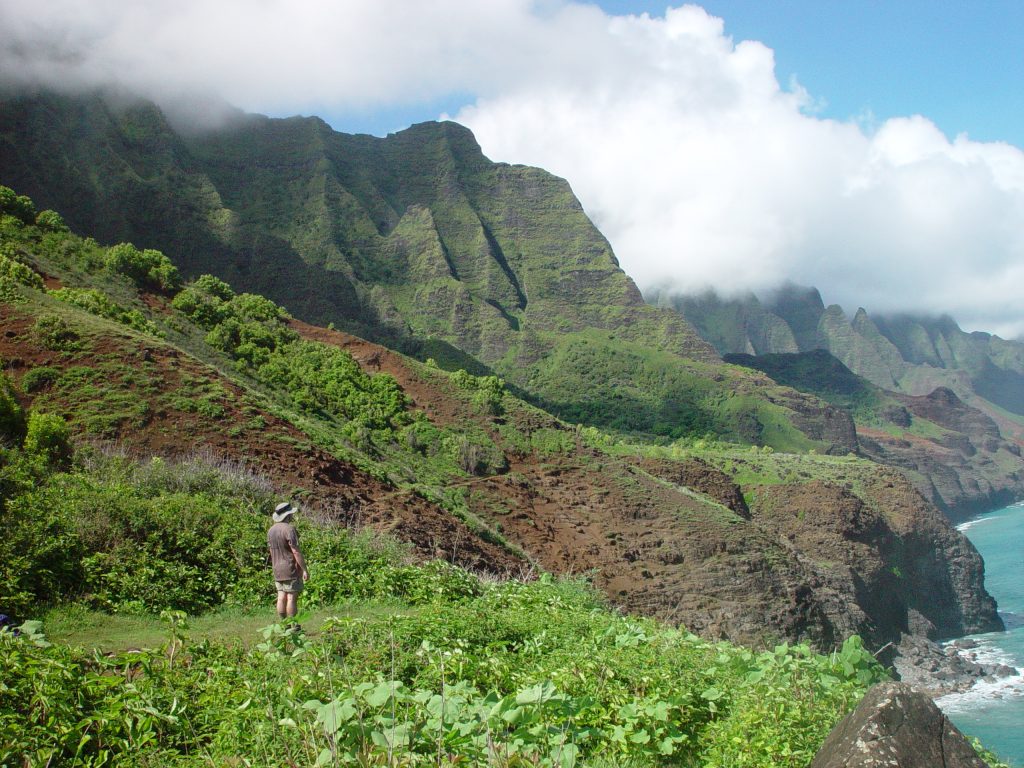
Planning an adventure along the Nāpali Coast involves much more than just securing a baseline camping permit. From mainland flights and North Shore transit to specialized tropical gear and mandatory parking vouchers, the expenses add up quickly. This transparent budget breakdown covers the true cost of hiking the Kalalau Trail so you can avoid hidden financial surprises.
When people talk about the Kalalau Trail, they usually focus on the grueling physical demands of Crawlers Ledge or the extreme difficulty of winning the midnight permit lottery. What rarely gets discussed, however, is the actual financial reality of making the journey happen.
At a first glance, the state’s baseline camping fee seems incredibly cheap. But because Kalalau is located on the isolated North Shore of an outer Hawaiian island, the peripheral costs can quickly shock an unprepared backpacker.
I’ve spent over two decades tracking the logistics of this coast, and the pricing landscape has shifted dramatically. If you are budgeting for a dream trek to paradise, you need a realistic financial blueprint.
Here is exactly what it costs to hike the Kalalau Trail, broken down from the major essentials to the hidden fees.
1. The Fixed Essentials: Permits and Passes
These are the non-negotiable costs required by the state of Hawaii just to legally set foot past Kēʻē Beach for an overnight stay.
- The Camping Permit: For non-Hawaii residents, a permit costs $35 per person, per night. If you opt for the highly recommended 3-night, 4-day itinerary to truly experience the valley, your baseline permit cost is $105 per hiker.
- The GoHāʻena Transaction Fees: Every reservation portal checkout includes a standard $5 flat administrative transaction fee.

2. Getting to the Trailhead: The Transit Puzzle
Most travelers forget to budget for the logistics of moving their bodies and gear from the Līhuʻe Airport (LIH) up to the rugged northern terminus of the Kuhio Highway.
- The Rental Car Factor: Renting an economy vehicle or SUV on Kauai typically ranges from $50 to $120+ per day, depending on the season. If your car sits idle in a lot for four days while you are in the valley, that is roughly $300 in “dead weight” rental fees alone.
- GoHāʻena Overnight Parking: If you are lucky enough to secure a multi-day parking voucher at the trailhead lot, you are charged per calendar day. A 4-day, 3-night hike requires a 4-day parking voucher, which totals $120 ($30/day for non-residents).
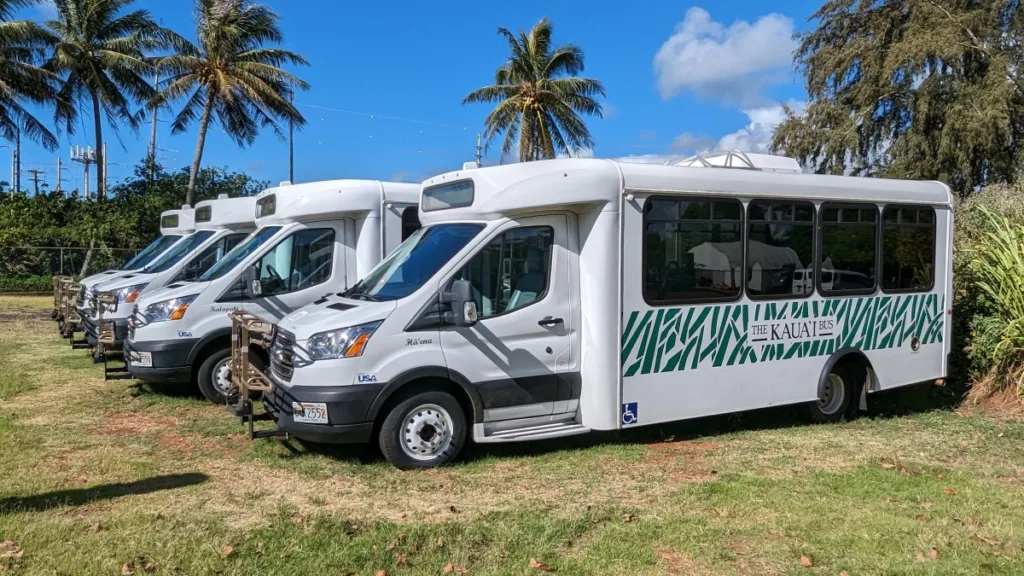
- The North Shore Shuttle Alternative: If parking sells out, a round-trip ticket on the official shuttle from Waipā costs $40 per person.
- Rideshares and Taxis: An Uber, Lyft, or local private taxi from Līhuʻe up to Hanalei or Princeville generally runs between $70 to $110 each way, heavily fluctuating based on peak morning and evening surges.
- Click here for more creative ways to save money on transportation.
3. Gear Adjustments for a Tropical Climate
You cannot simply bring your standard mainland mountain gear to Kauai and expect to be comfortable. The extreme humidity, abrasive volcanic mud, and sudden flash downpours require very specific gear swaps that often require a pre-trip shopping trip.
- Water Purification: Because Leptospirosis is a serious risk in Hawaii’s fresh water, a highly reliable hollow-fiber filter or UV purifier is mandatory. Expect to spend at least $35 to $50 on a specialized system.
- Footwear Updates: Heavy, waterproof leather boots trap Kauai’s wet red clay and water, making them a nightmare on the trail. Investing in a pair of quick-drying, highly aggressive trail runners or specialized wet-weather hiking footwear will run $130 to $180.
- The Fuel Canister Trap: You cannot legally fly on a commercial airliner with backpacking gas canisters in your luggage. You must buy your Isobutane fuel canisters locally on Kauai before heading north. A standard canister at a local gear shop in Līhuʻe or Kapaʻa runs about $6 to $10.

4. The Pre- and Post-Hike Stays
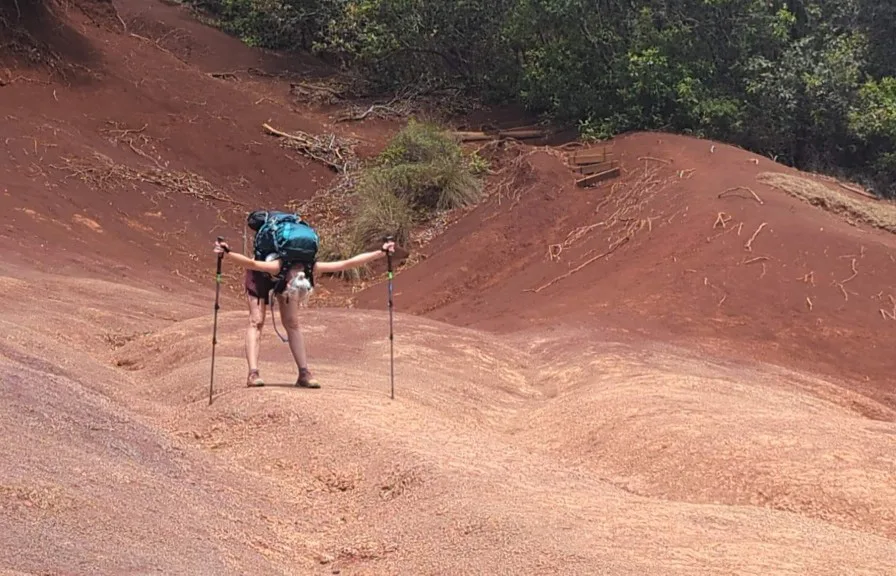
Unless you live on the island, it is logistically impossible to fly onto Kauai and step onto the trail the exact same morning. You will need a place to sleep the night before your trek to prep your pack, and a place to wash off days of accumulated red mud the night you hike out.
- North Shore Accommodations: Staying at a casual hotel, resort, or vacation rental in Princeville or Hanalei generally ranges from $250 to $600+ per night.
- Accommodations further away from the trail head: You can save money by staying on the East side of the island. Some cheap hotels in Kapa’a or Lihue might get your cost down to around $200 a night, but then you have a longer drive in the morning to get to the trail head.
- The Budget Alternative: Some hikers opt to spend their first or last night camping at the county-managed Anahola or ‘Anini Beach parks for a fraction of the cost ($3 per night with a pre-arranged county permit), though availability and amenities are highly primitive.
The Estimated Budget Summary
When you tally up a standard, comfortable 3-night solo itinerary coming from the West Coast, a realistic mid-tier financial breakdown looks like this:
| Expense Category | Estimated Low-End | Estimated High-End |
| Mainland Flights (West Coast RT) | $450 | $850 |
| State Camping Permits (3 Nights) | $105 | $105 |
| GoHāʻena Parking or Shuttle Logistics | $40 | $120 |
| Pre/Post-Hike Hotel Stays (2 Nights) | $500 | $1,200 |
| Tropical Gear Purchases & Local Fuel | $50 | $230 |
| Total Estimated Investment | $1,145 | $2,505 |
While it is certainly not a cheap backpacking trip, every single dollar spent is rewarded the exact moment you clear the ridges of Mile 6 and watch the fluted spires of the Nāpali Coast open up before you. With a bit of strategic planning and booking early, you can easily keep your trip tracking toward the lower end of the scale.
A Real-Life Lesson in Trail Budgeting
You can do Kalalau on a budget, but it takes serious grit. I’m always reminded of this from a stop I made at the Līhuʻe Walmart right outside the airport. In the camping section, I crossed paths with a couple of girls navigating the aisles with their massive backpacks already strapped on.
They had just landed. They walked straight over from the terminal and were getting ready to catch the public county bus up north. Their plan was to save money by camping at ‘Anini Beach for the night. Then, they were going to hitchhike the rest of the way to the trailhead the next morning.
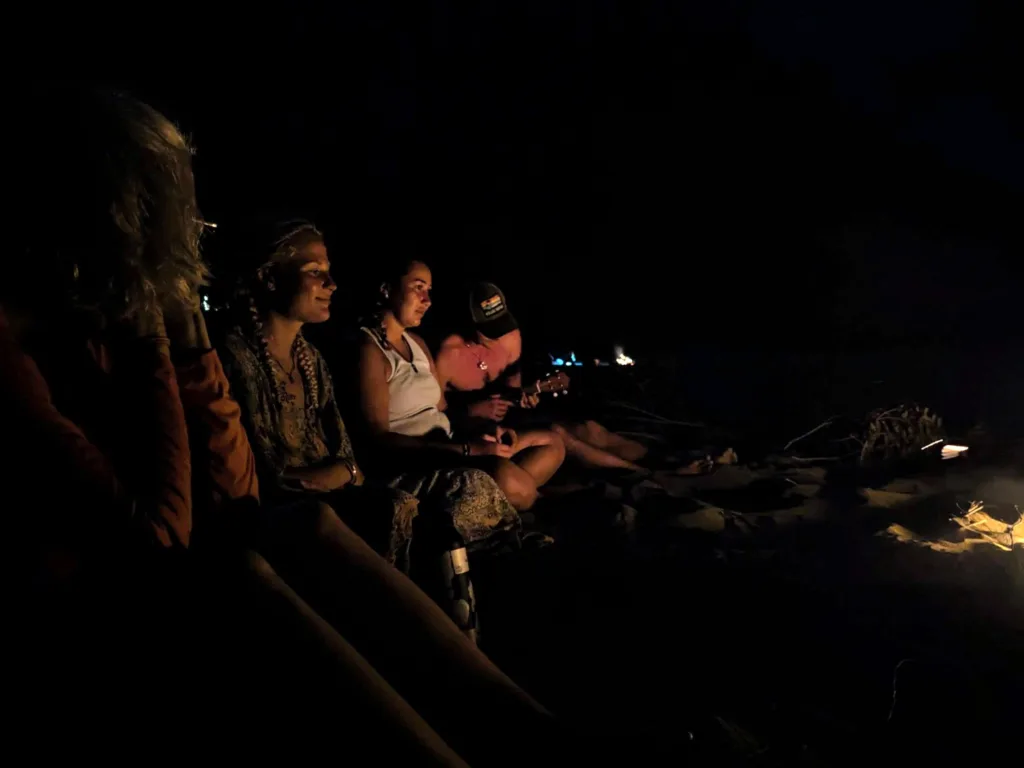
Incredible enough, our paths crossed again. We met up with them right on Kalalau Beach a couple of days later. We ended up becoming great friends. We spent our evenings sharing stories, and we’ve kept in touch ever since.
Their journey proves you can do this trip on a shoestring budget. It certainly isn’t the easy route. However, it might just lead to the best memories of your life.
Additional Resources
- The Ultimate Kalalau Trail Parking and Shuttle Guide
- Listen to a self-guided tour while you travel.
- Beat the Midnight Rush for Kalalau Trail Permits
- What to Do If You Can’t Get a Kalalau Permit
- Preparing to hike the famous Kalalau Trail
- How do I get to the Kalalau Trail?
- Capturing Great Photos of Kalalau, The Nāpali Coast & Kauai
- Mistakes People Make when Planning to Hike the Kalalau Trail
- What about Crawler’s Ledge?