Kalalau Trail Camping Rules & Wilderness Guidelines
Backpacking the Nāpali Coast is a privileges-based wilderness experience. To protect the fragile ecosystem of this sacred valley and ensure the safety of every hiker, the Hawaiʻi Department of Land and Natural Resources (DLNR) strictly enforces code regulations. Compliance is mandatory from the moment you step onto the trailhead until your safe return.
Stay & Location Boundaries
- Maximum Stay Length: You may camp a maximum of 5 consecutive nights total along the entire trail ecosystem.
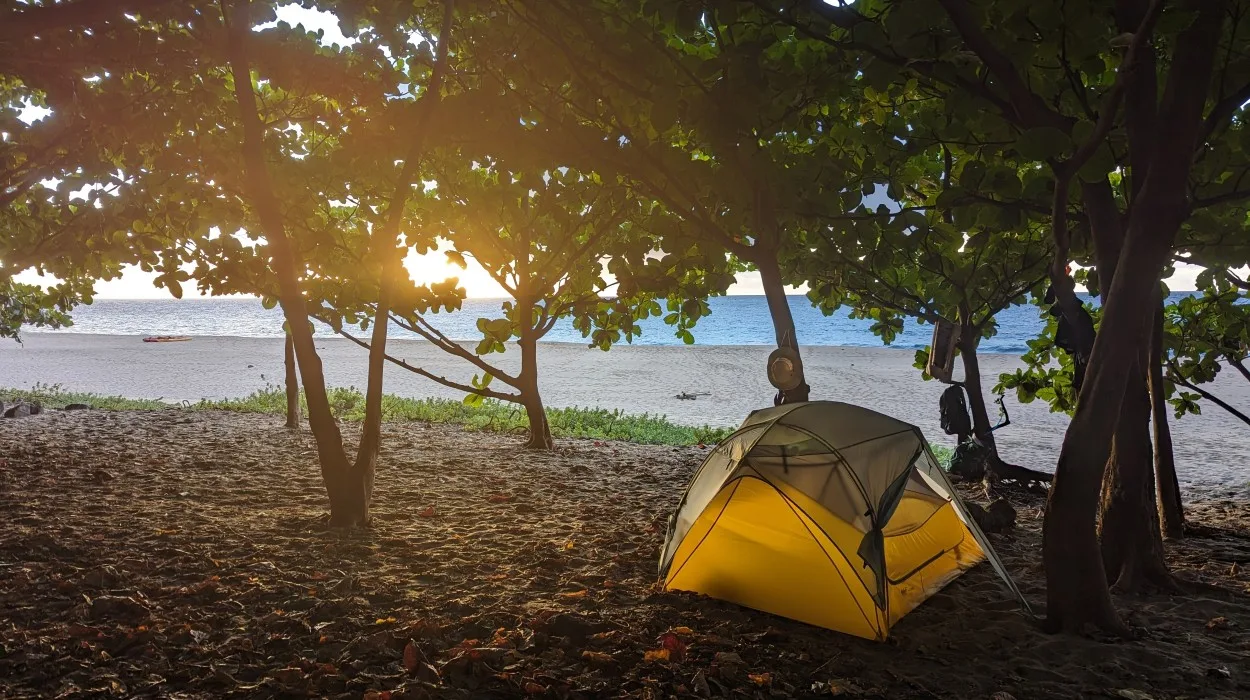
- Authorized Campsite Zones: Legal camping at Kalalau is strictly bounded from the first major dry stream to the west of Kalalau’s permanent stream, extending down to the waterfall. This area is roughly defined by the extent of the summer sand beach. Camping anywhere deep in the interior valley itself is completely illegal..
- The Hanakoa Cap: Your permit allows you to break up your trek at Hanakoa Valley if you encounter heavy mud, failing daylight, or physical exhaustion. However, no two consecutive nights may be spent at Hanakoa Valley going in either direction.
- Strictly Prohibited Zones: Camping is illegal along any open stream banks, inside valley caves, or directly underneath exposed vertical cliffs due to active rockfall hazards. All camping rules apply.
Arrival Vouchers & Exclusions
- Permit Validity Window: Your camping permit is valid for the overnight dates listed. It grants you legal permission to be on the trail the dynamic day your permit begins, and requires you to clear the park the day immediately following your final permit night.
- The Miloliʻi Separation: Vouchers for Miloliʻi Valley are completely independent. A Miloliʻi permit does not grant you access to step onto the Kalalau Trail or camp at Kalalau Beach.
- Summer Kayak Access (May 15 – Sept 7): During the summer safety window, kayak beach landings are permitted only if you hold a valid wilderness camping permit. No unauthorized day-boating landings are allowed.
- Strict Cancellation Deadline: Refund requests are processed only if submitted at least 15 days prior to your scheduled check-in date (the primary administration booking fee remains completely non-refundable). To cancel, you must utilize the “Live Help Chat” widget directly inside the explore.ehawaii.gov portal.
Backcountry Survival & Conservation Rules
- All commercial activities within the State Park are strictly prohibited unless granted a rare special permit. This means guided hiking tours, commercial overnight trips, and private boat or kayak drop-offs/pick-ups anywhere along the Nāpali Coast destinations (like Kalalau Beach) are completely illegal. Visitors must be 100% self-sufficient.
- Pets are strictly prohibited anywhere within the Nāpali Coast State Wilderness Park or along the trail. Ground-nesting endangered Hawaiian birds are highly vulnerable, and dogs/cats are responsible for severe wildlife damage in the valleys.
-
Open Fires are Prohibited: Wildfires can rapidly devastate the isolated hanging valleys of the coast. Open campfires are completely banned. You must cook exclusively on self-contained backpacking camp-stoves or portable grills.
-
Do Not Alter Terrain: Do not move river rocks, tear down historic rock walls, or construct manual fire rings.
-
Protect Archaeological History: The ancient agricultural terraces, stone frameworks, and heiau sites throughout the valleys are protected under strict federal and state historic preservation laws. Disturbing or disassembling these structures is a criminal offense.
-
Absolute Pack-In, Pack-Out: There is zero trash service in the wilderness. You are legally required to pack out every single piece of wrappers, gear waste, and trash that you carry into the valley. Leave the campsites cleaner than you found them. These are important camping rules.
-
Helicopter Landing Pads: The designated emergency helicopter landing clearings are for active rescue operations and state conservation tasks only. Setting up tents, gear staging, or resting on these pads is strictly prohibited at all times.
Facilities & Infrastructure Breakdown
| Location | Available Amenities | Critical Survival Notes |
| Trailhead (Mile 0) |
Modern flushing restrooms, outdoor showers, public trash receptacles, treated drinking water stations, and a payphone. | This is your final checkpoint. Empty your trash, fill your bladders, and double-check your gear load before crossing the boardwalk. |
| Hanakāpīʻai (Mile 2) |
Composting toilet facility only. | No trash service. No treated drinking water. All stream water must be fully treated. |
| Hanakoa (Mile 6) |
Composting toilet facility and rustic rain shelters. | High canopy shade. No beach or shoreline access exists here. Stream water must be fully treated. |
| Kalalau Beach (Mile 11) | Composting toilet facilities. | Located on the terraces behind the sand dunes. No treated drinking water. All water from Kalalau Stream must be filtered or chemically treated before drinking. |