Choosing the wrong footwear can instantly end your trek along the Nāpali Coast. While heavy, waterproof Gore-Tex boots are perfect for alpine mountains, they are a massive liability in a tropical rainforest. This guide explains why traditional boots fail, shares my personal 25-year footwear evolution on this trail, and details why high-quality hiking sandals are the ultimate secret weapon.
When you pack for an iconic 22-mile wilderness backpacking trip, your footwear is your most critical decision. Most hikers head straight to an outdoor retailer. They purchase the most expensive, heavy-duty waterproof boots on the shelf.
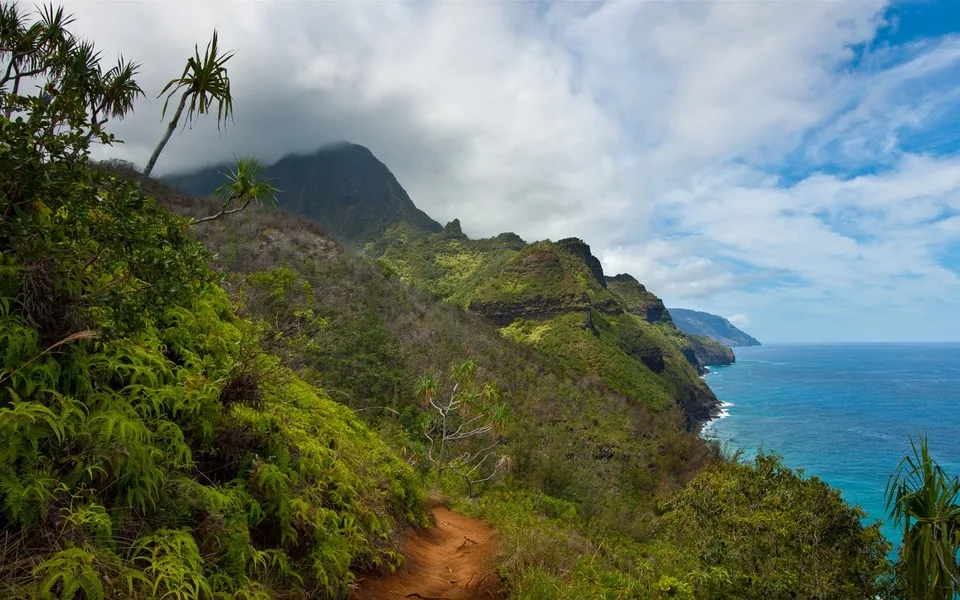
On a standard mountain trail, keeping water completely out of your socks is a great strategy. But the Kalalau Trail is a hyper-tropical corridor of slick volcanic clay, exposed roots, and mandatory river crossings.
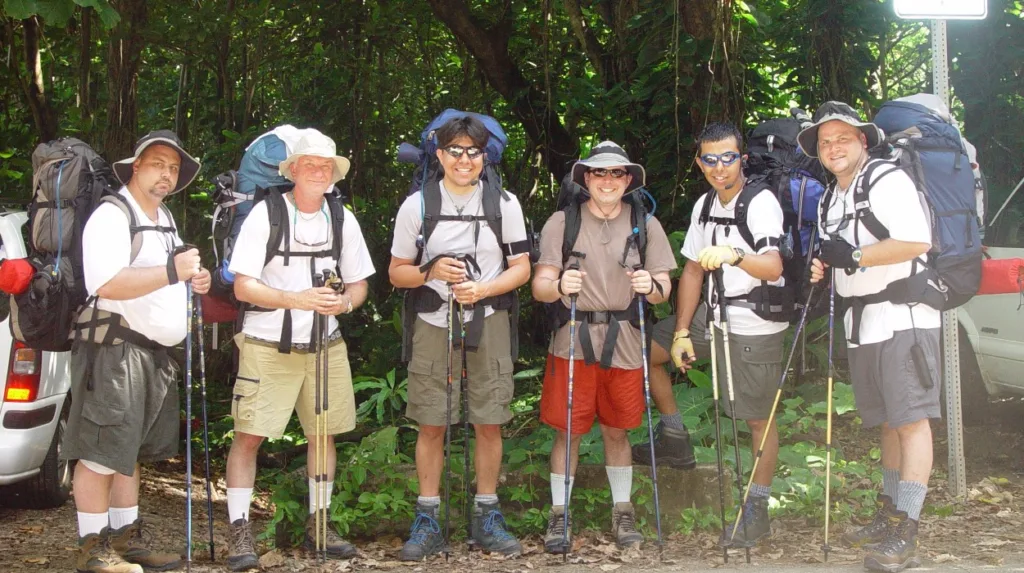
I know the temptation of heavy boots firsthand. When I first hiked the Kalalau Trail nearly 25 years ago, I wore the exact big, bulky, waterproof boots I am warning you about today. My hiking experience was rough, my feet suffered, and I swore I would never make that mistake again.
Over the decades, I evolved my strategy. Today, I comfortably conquer this coast in a high-quality pair of hiking sandals. Here is the mechanical reason why traditional mountain boots fail on Kauai, and why letting your feet breathe is the ultimate game-changer.
1. The Heavy Bucket Effect of Gore-Tex Boots
The primary selling point of waterproof membranes is that they stop external liquid from passing through the fabric. This works beautifully when you are stepping through shallow puddles.
However, the Kalalau Trail features deep stream crossings, starting with Hanakāpīʻai Stream at Mile 2. When a river is knee-deep, water will inevitably pour over the collar of your shoe from the top.
Once water gets inside a waterproof boot, the membrane works in reverse. It traps the water inside the shoe like a rubber bucket. Your feet will sit in a warm, sloshing pool of water for hours. This softens your skin rapidly, leading to massive, deep friction blisters that can completely halt your hike. Believe me, they hurt.
2. Volcanic Mud vs. Heavy Boot Treads
The red clay mud on Kauai is notoriously slick and sticky. Heavy hiking boots typically feature deep, wide lug patterns designed to grip dry rock or packed dirt.
When you step into Kalalau’s wet volcanic clay, the mud completely packs into the deep gaps of a heavy boot sole. Within a quarter-mile, your treads become totally flat and smooth. Your boots transform into heavy, slippery skis, offering zero traction on steep drops or narrow ledges like Crawlers Ledge.
Heavy wet boots also add massive fatigue to your legs. Lifting an extra pound of trapped mud on each foot over thousands of steps will drain your energy rapidly.
3. The 25-Year Lesson: Switching to Hiking Sandals
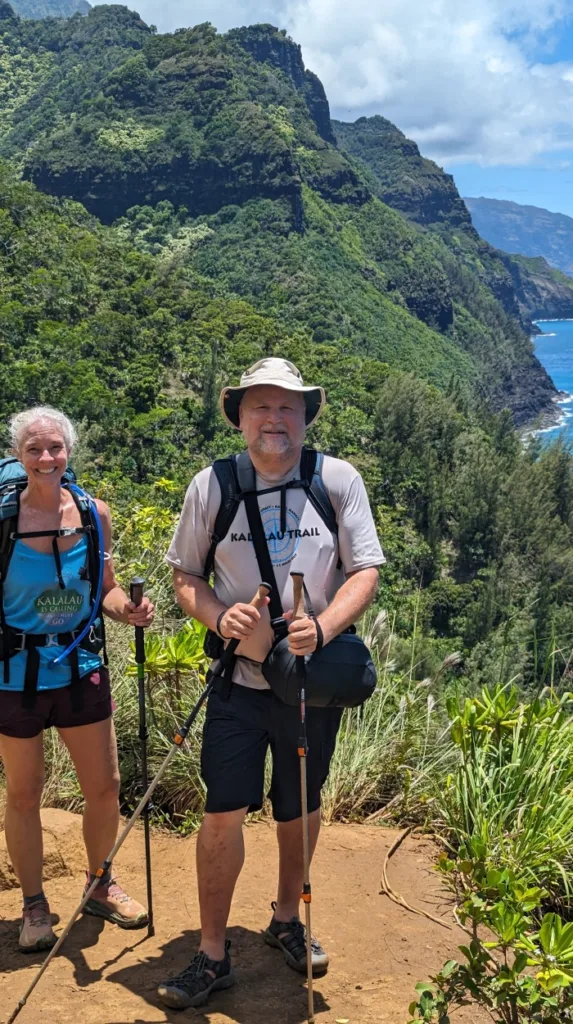
After my grueling first experience in traditional Gore-Tex boots, I completely changed my philosophy. Instead of fighting the tropical water, I decided to embrace it. I switched to a premium, aggressive pair of hiking sandals, and I have never looked back.
Here is why open, lightweight footwear thrives in a tropical rainforest terrain:
- Instant Drainage: Sandals do not try to keep water out. When you submerge your foot in a stream, the water drains away completely the second you step onto dry land. Your feet dry naturally from the open air as you move.
- The Mud-Shedding Flex: Unlike stiff boot soles that collect clay, the flexible sole of a premium hiking sandal naturally bends with your foot. This constant flexing action physically pumps and sheds sticky mud out of the treads with every single step, ensuring you maintain a clean grip.
- Drastically Less Weight: Tacking 22 miles requires immense energy. Swapping a multi-pound leather boot for a lightweight trail sandal reduces the physical strain on your legs and hips, leaving you with plenty of energy to enjoy the valley.
4. How to Choose the Right Trail Sandal
You shouldn’t just wear casual beach flip-flops on this trail. If you want to utilize the sandal method safely, your footwear must have these three non-negotiable features:
- A Secure Multi-Strap System: Your sandals must strap firmly around your heel, top of the foot, and forefoot. Your foot should not slide around inside the footbed when the shoe gets wet or muddy.
- Sticky, Specialized Rubber: Look for outdoor brands of sandals/running shoes that utilize high-grade rubber outsoles (such as Vibram Megagrip). This material behaves like a rock-climbing shoe, grabbing onto wet, slick river boulders securely.
- Toe Protection (Optional but Recommended): If you are worried about stubbing your toes on roots or loose rocks, look into hybrid closed-toe sandals (like Keens). They offer the open drainage of a sandal with the front armor of a traditional shoe.
Additional Resources
- The Ultimate Kalalau Trail Parking and Shuttle Guide
- Listen to a self-guided tour while you travel.
- Beat the Midnight Rush for Kalalau Trail Permits
- What to Do If You Can’t Get a Kalalau Permit
- Preparing to hike the famous Kalalau Trail
- How do I get to the Kalalau Trail?
- Capturing Great Photos of Kalalau, The Nāpali Coast & Kauai
- Mistakes People Make when Planning to Hike the Kalalau Trail
- What about Crawler’s Ledge?