Photo by: Sven Bannuscher - The Kalalau Trail, one of the hardest hiking trails in the world along the Nāpali Coast...
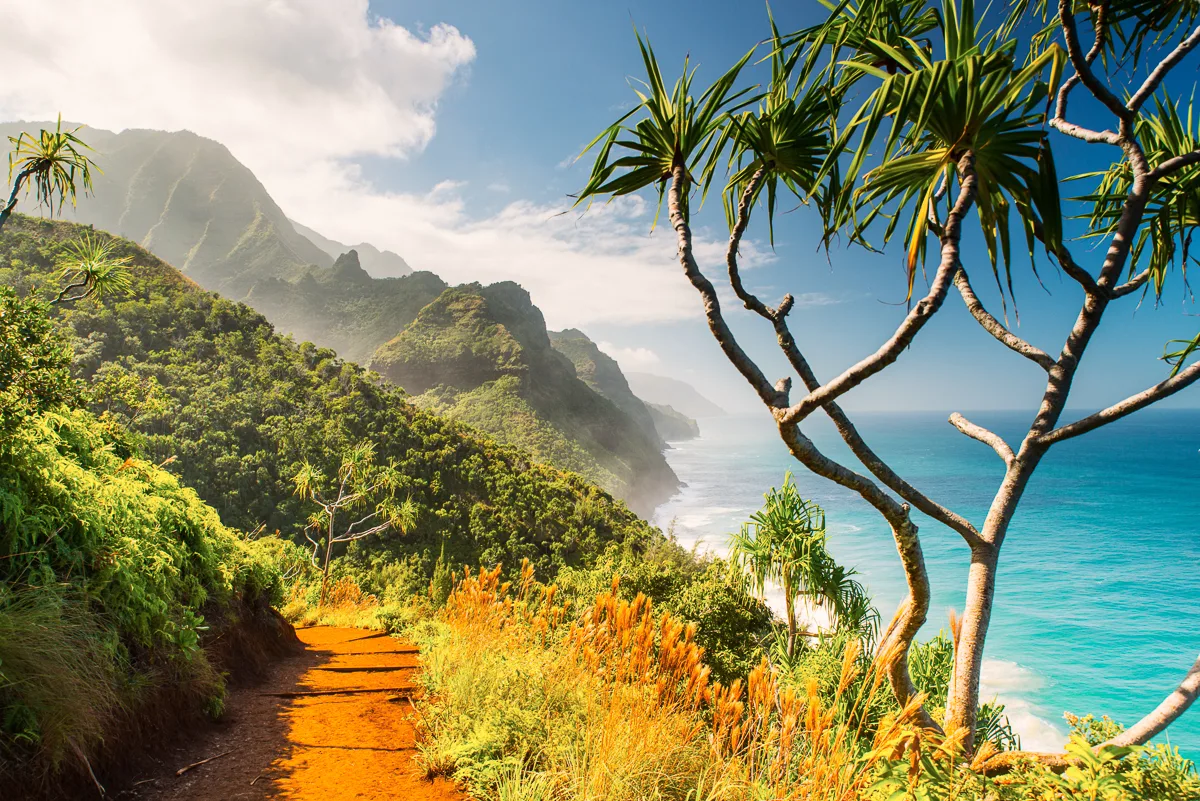
Photo by: Sven Bannuscher - The Kalalau Trail, one of the hardest hiking trails in the world along the Nāpali Coast...
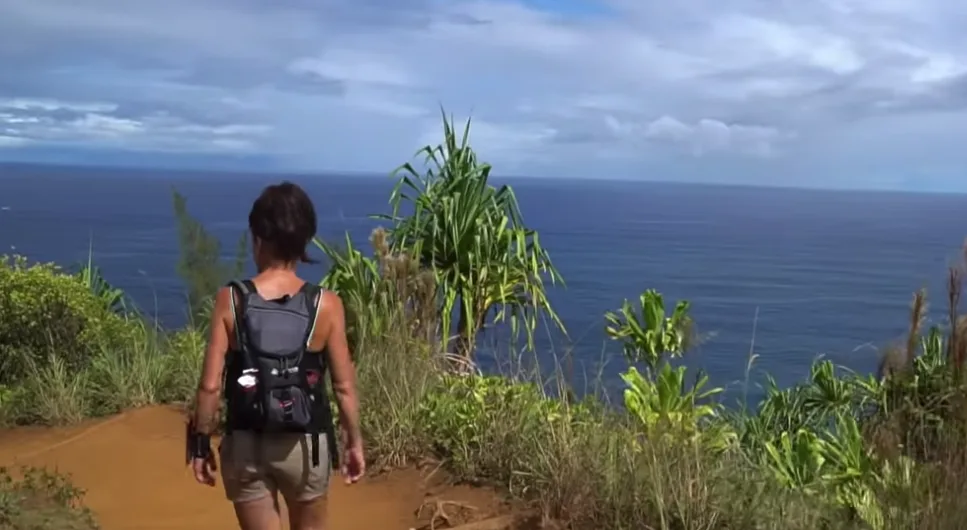
Hiking in Kauai, Hawaii on the Kalalau trail to Hanakapi’ai Beach then on to Hanakapi’ai Falls on the Napali Coast was...
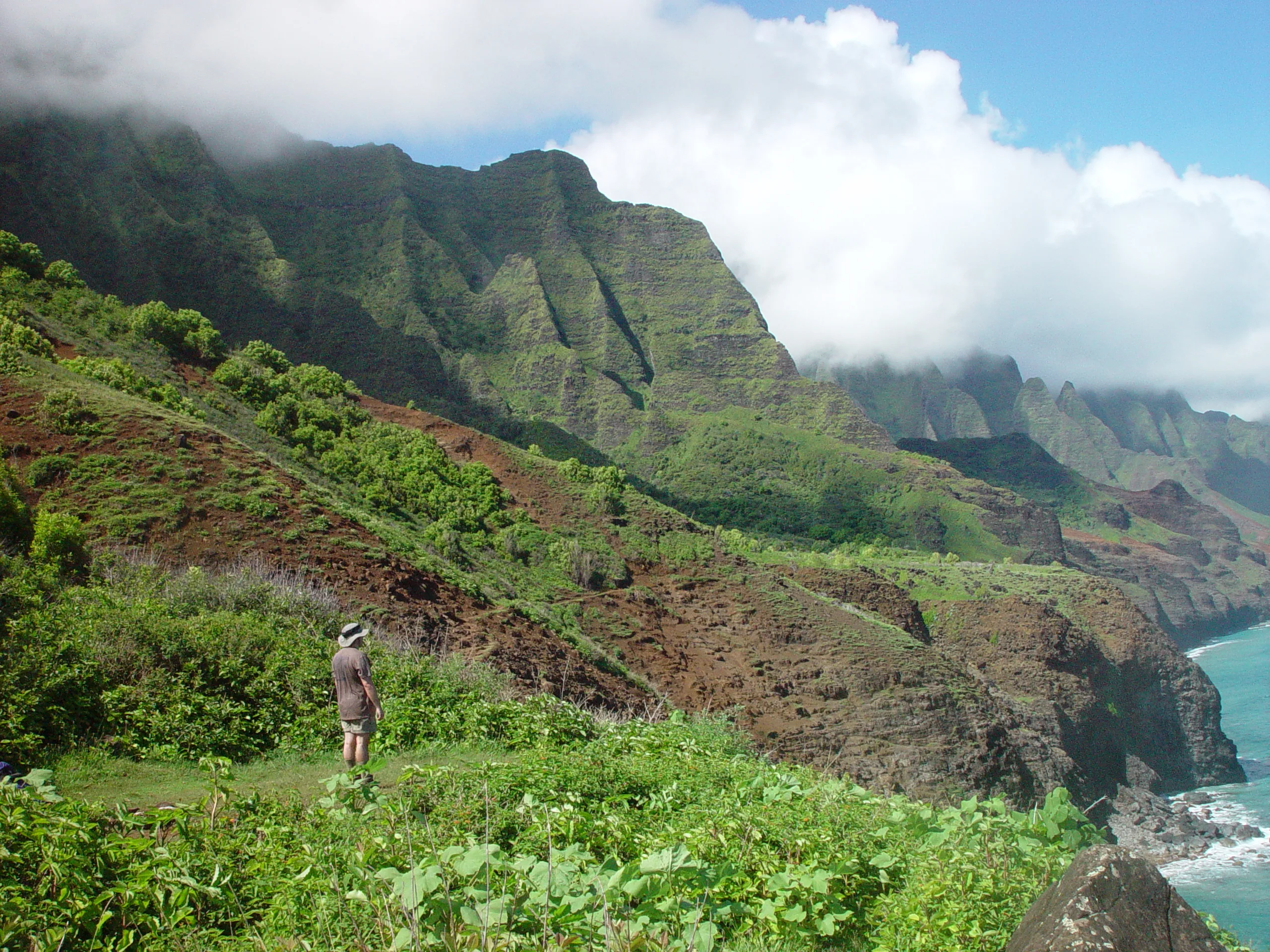
After 14 months of waiting, the Nāpali Coast State Wilderness Park & Kalalau Trail is scheduled to re-open on June...
It’s a nation so blessed with sights — natural and man-made — that you could ask all 300 million residents for their favorites and expect 300 million different answers. So how do you go about picking the country’s 10 most beautiful spots?
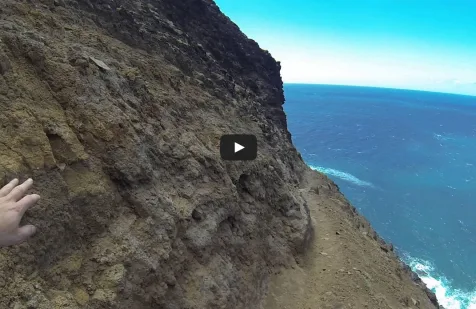
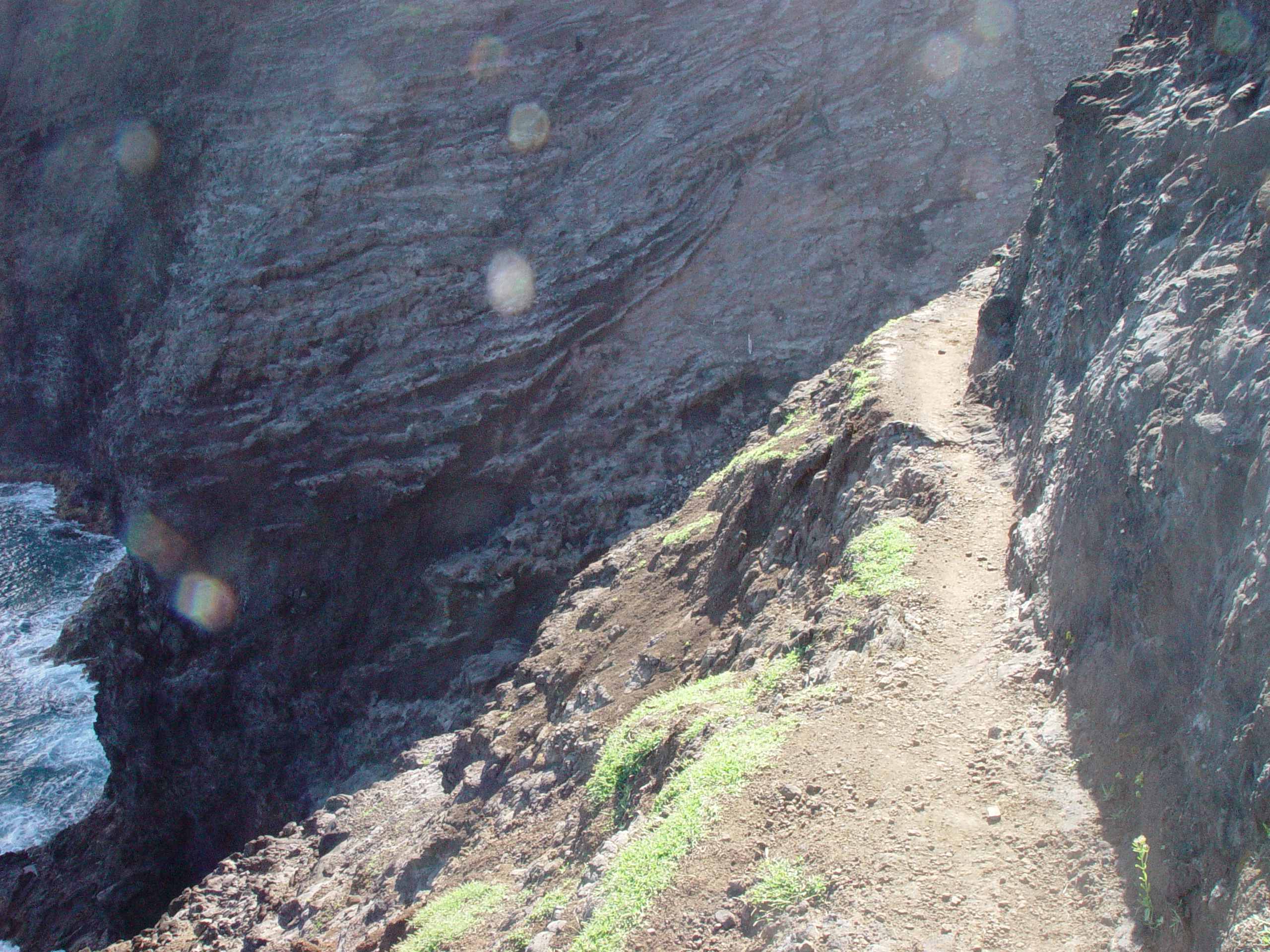
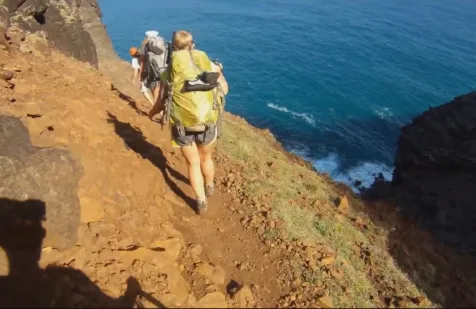
This is known as the hardest and most dangerous part of the 11 mile Kalalau trail.
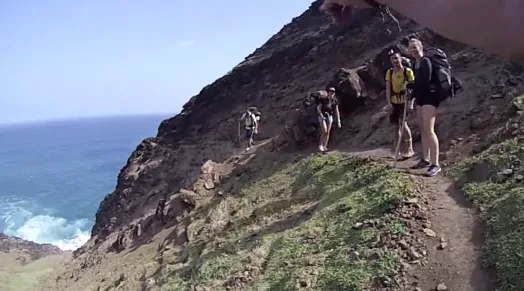
This is the most dangerous part (mile 7 of 11) of the Kalalau trail in Kauai! We were all scared.
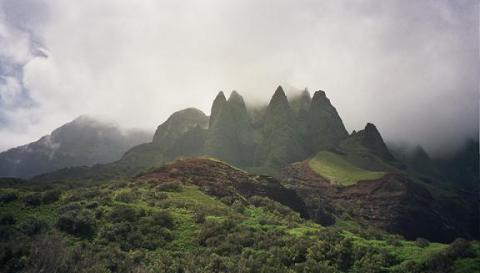
It was all worth it because Kalalau Valley is full of awesome!
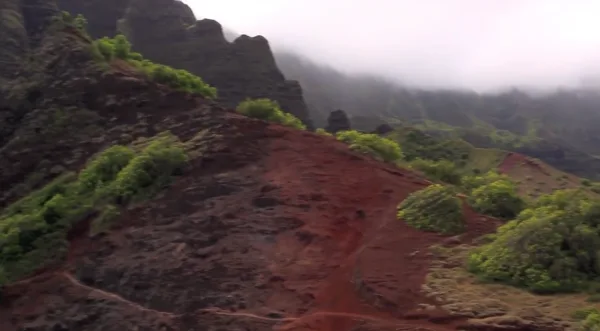
Some famous and amazing parts of the Kalalau Trail hike on Kauai
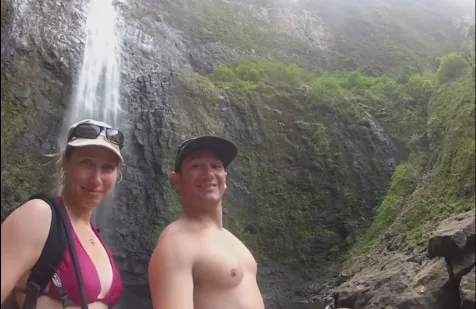
The Kalalau Trail is a trail along the Nā Pali Coast of the island of Kauai in the state of Hawaii. The trail is very strenuous and runs approximately 11 miles (18 km) along the island’s north shore from Keʻe Beach to the Kalalau Valley.
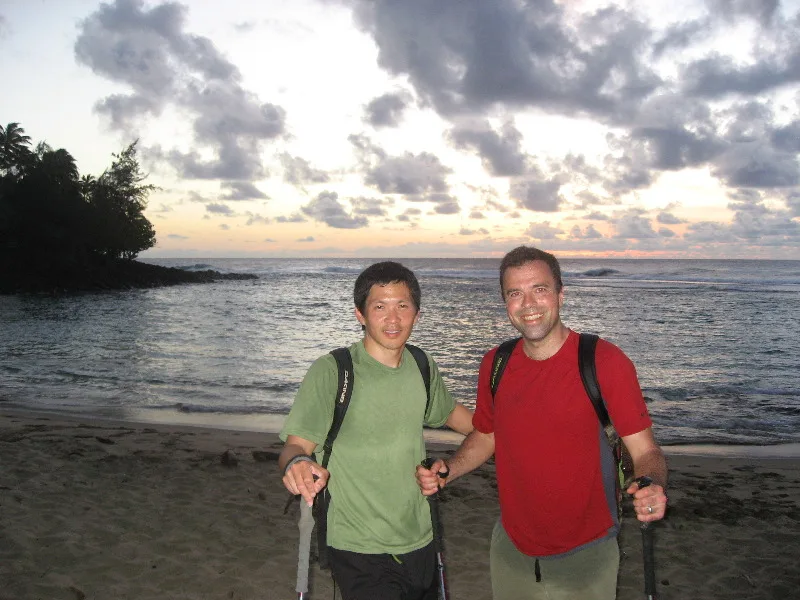
On Friday, April 26, my wife Patricia and I (and of course the kids) took an island hopper from Honolulu with our friend Eric Wong and his student Guo Jia (Tim) to Kauai. The he sight of us checking into an airport is amusing. We had four huge bags to check (two large Samsonite bags and two large duffel bags), four rather large carry-on bags, and two child car seats – two mountains of luggage and two kids in a double stroller.
The Kalalau Trail made Backpacker Magazines list of the 10 Most Dangerous Hikes in America. They point out the dangerous cliffs, footing and wet weather. The Kalalau Trail ranks a 6 on the Danger Scale.
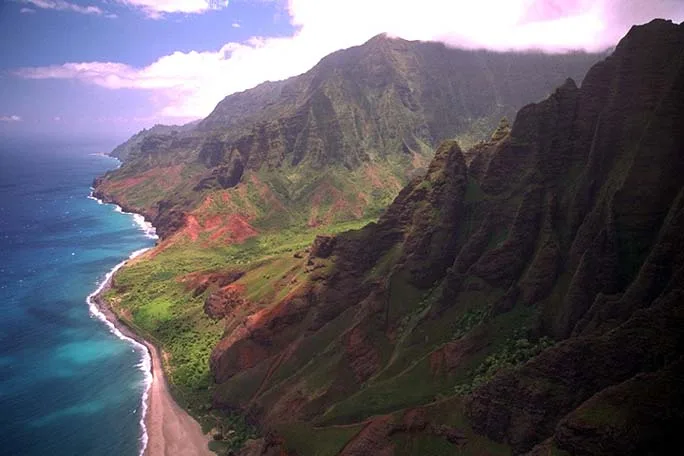
The Na Pali coast is located on the north coast of the Hawaiian island of Kauai. The Pali or cliffs, are a magnificently rugged region of deep and narrow valleys ending abruptly at the sea. Waterfalls and whitewater streams sculpt these narrow valleys while the sea carves sheer cliffs. Stone walled terraces, one thousand years old, are in the valleys where early Polynesians once lived and cultivated taro (the Hawaiian equivalent of the potato)